★4.9 Google rated 🎵
100+ reviews from our local Gahanna families 🎵
Serving the Gahanna community since 2010 🎵
Unlimited makeups* 🎵
Change your schedule at any time 🎵
Simple, transparent pricing 🎵
Family discounts 🎵
Neurodiversity-affirming music lessons 🎵
Two-teacher model: Music Lab + instrument 🎵
Unlimited adult Music Lab time 🎵
Year-round performance opportunities 🎵
Annual benefit concert for local food pantry 🎵
Conveniently located near Hamilton & Morse 🎵
Book a 4-week trial today!
Throughout February and the first week of March, votes will be collected to choose our April Music Lab Theme!
Back in December 2023, we launched our Wheel of Themes, giving students a fun way to explore music beyond their primary instrument. In the Music Lab, students learn genre history, listen to curated playlists, and try composing in that style. Additionally, they can earn prizes by sharing what they learned. So far, students have explored styles like Bollywood, Jazz, Mash-Ups, J-Pop, and even Yodeling!
Now, students and families get to help choose the next theme!
Vote for one of these seven options:
🍀 Celtic Traditional music from Ireland and Scotland with lively fiddles and flutes. Expect folk melodies and energetic dance tunes.
📺 Jingles & TV Themes Catchy music you cannot forget. In particular, this style features commercial jingles and famous TV show openings.
🎭 Musicals Songs from Broadway and movie musicals that tell stories through music. As a result, expect big emotions and dramatic moments.
🎮 Video Game Music Soundtracks from classic and modern video games. Overall, the music ranges from simple chiptunes to full orchestral scores.
💃 Bollywood Colorful film music from India blending traditional sounds with pop and dance beats. Notably, it features expressive vocals and vibrant rhythms.
🌊 Hallyu Wave (K-Pop) High-energy Korean pop with polished production and catchy choruses. In fact, this global style often includes synchronized dance influences.
🎸 Rock & Roll High-energy music driven by electric guitars and strong beats. Because of this, the classic style is known for its rebellious spirit.
Blues music history shapes nearly every modern style we hear today. For example, jazz, R&B, rock, country, hip-hop, and metal show its influence. This month our MTMS lab theme is the blues.
Originally, African American field workers in the South created the blues. During long days, they labored in cotton fields. Then at night, they gathered to sing, play, and share.
They mixed gospel traditions, field hollers, and call-and-response patterns into something new. As a result, communities built connection, strength, and cultural identity.
Soon, musicians filled Mississippi juke joints with rhythm, dancing, and storytelling. There, singers voiced hardship, love, injustice, and hope. Meanwhile, guitars growled. Harmonicas cried.
Musically, players bent notes and slid between pitches for deep expression. In addition, rhythms pushed and pulled against steady beats. Because of this, many genres still rely on blues scales and classic progressions.
Later, families carried the music north during the Great Migration to urban centers. Consequently, cities reshaped the sound. Electric instruments grew louder, and artists forged new styles.
Performers across decades studied these ideas and built careers from them. You can hear that lineage in The Beatles and The Rolling Stones. Likewise, Johnny Cash, Eric Clapton, and Jimi Hendrix carried it forward. Today, Bonnie Raitt, Gary Clark Jr., and Joe Bonamassa continue that legacy.
Ultimately, the blues tells shared stories. It offers hope. It provides release. Most importantly, it helps people survive and connect.
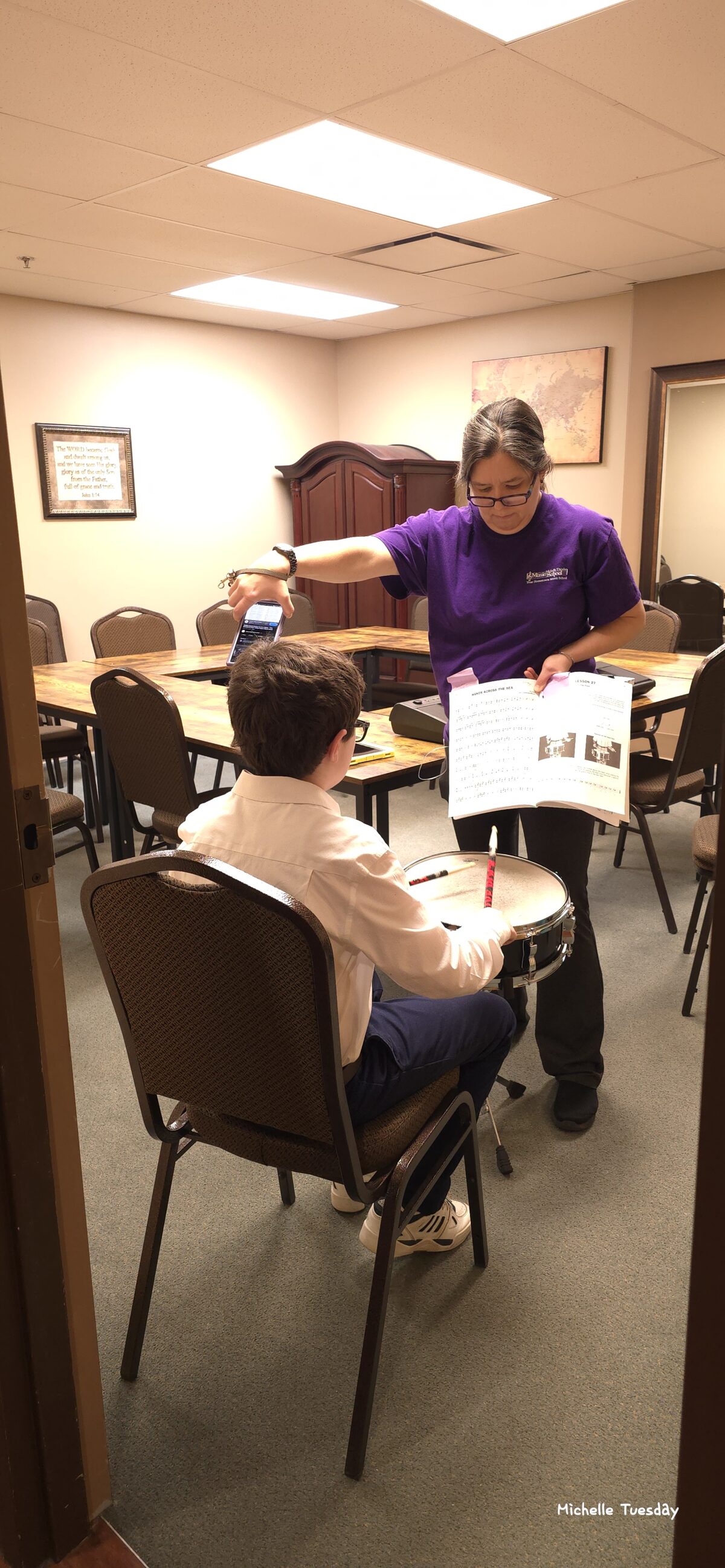
At Michelle Tuesday Music School, students explore these traditions in lessons and in the Music Lab. They hear history come alive through listening, discussion, and creativity. Then they carry those ideas back to their own instruments.
In this way, the blues continues to inspire our community every single day.
When parents visit us at Michelle Tuesday Music School, they often ask one very practical question: “How long will it take for my child to master their instrument?”
It’s a completely fair question! As parents, we want to understand the commitment we’re making and, more importantly, we want to know when our children will feel the confidence of “owning” their new skill. While every student’s path is unique, here is how we look at the journey of musical mastery.
A Lifelong Adventure
The beautiful thing about music is that it isn’t a “crash course” with a final exam; it’s a language. Just like we continue to expand our vocabulary and expression in our native language throughout our lives, music offers a lifetime of new discoveries.
When we say “music is a lifelong endeavor,” we don’t mean it to sound daunting. We mean it’s a gift that never runs out of surprises! Even professional musicians with decades of experience find new ways to grow and learn every day.
Defining “Success” for Your Child
When a parent asks, “How long until they can do it on their own?” what they are often looking for is that “sweet spot”—the moment a child can sit down, open a book of music, and play a song they love without needing a teacher to guide every note.
How quickly we get there depends on a few key “ingredients”:
Consistency: Regular attendance and staying engaged through the seasons helps build steady momentum.
The Home Environment: A little bit of practice goes a long way. When parents encourage even ten minutes of play at home, progress happens much faster.
Passion: Every child learns at their own pace. When a student finds a genre or a song they truly love, “mastery” starts to happen naturally.
The MTMS Philosophy
Instead of looking for an “end date,” we invite our families to celebrate the milestones. Whether it’s playing their first C-major scale, performing at their first recital, or finally nailing that tricky bridge in a favorite pop song—these are the moments where mastery truly lives.
We are here to partner with you to make sure your child’s musical journey is rewarding, sustainable, and, above all, fun. Whether they play for three years or thirty, the skills they learn here—discipline, creativity, and confidence—will stay with them forever.
🎶 2026 Winter Benefit Concert: An Afternoon of Music, Courage, and Community
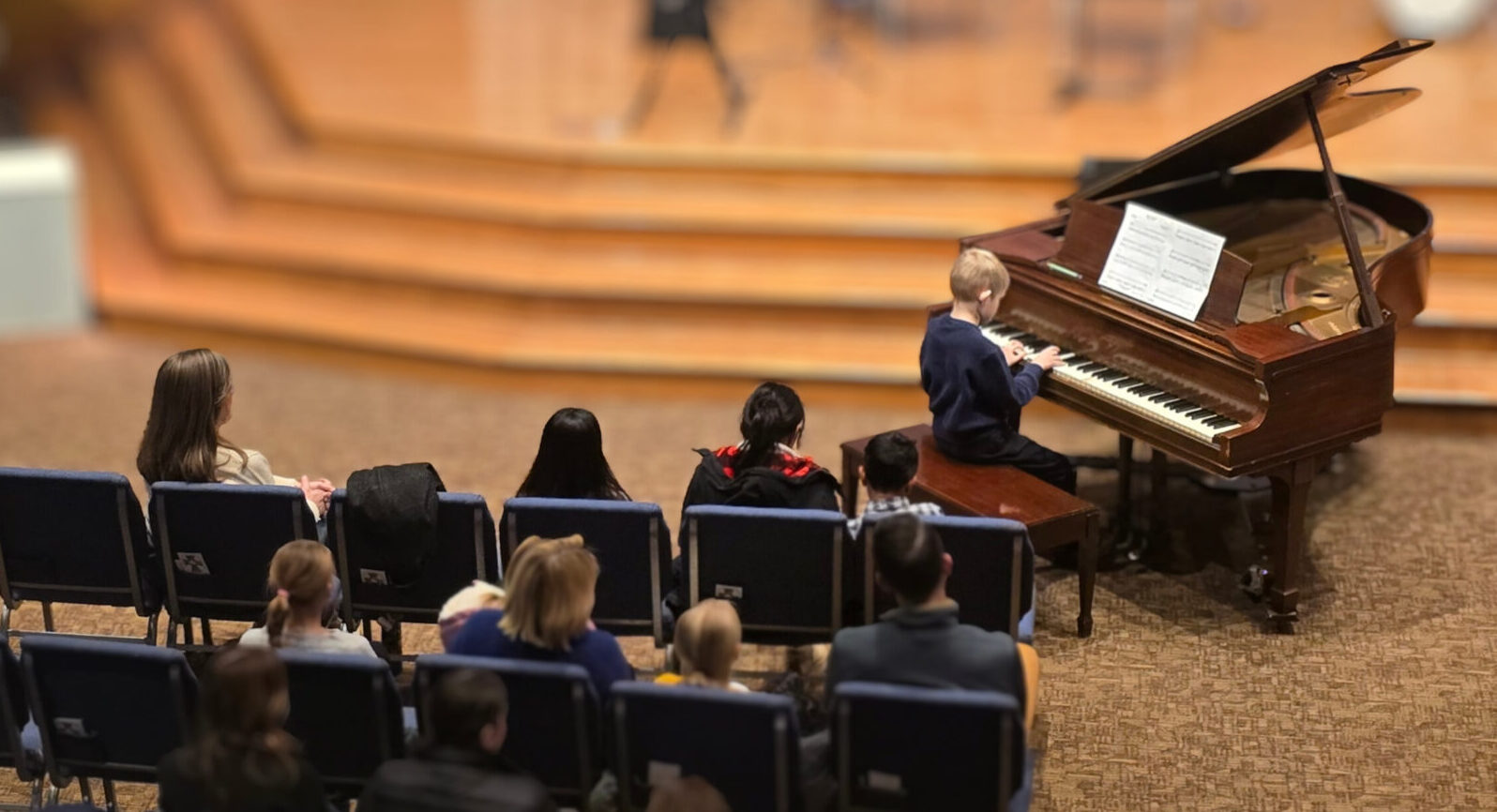
On Saturday, January 24, our Michelle Tuesday Music School families filled the hall at St. Luke Lutheran Church with something bigger than music. Together, we gathered to support Gahanna Residents in Need, and by the end of the afternoon our community had donated a record-breaking 221.1 pounds of food.
And what an incredible gift it was.
Beating the Storm
We were also fortunate with timing. The final applause barely faded before the winter storm strengthened outside, and it reminded us how powerful it is when a community comes together to take care of one another.
Two sessions, at 3:00 and 4:00 PM, gave dozens of students the chance to share what they’ve been working on. Yes, we had a small delay at the start thanks to some slideshow hiccups. But if anything, it created even more time for deep breaths, last-minute tuning, and the quiet encouragement that makes MTMS feel like family.
Backstage and in the audience, pep talks were everywhere. Teachers knelt beside benches. Parents squeezed hands. Friends whispered, “You’ve got this.”
And then the music began.
Building Confidence
One moment captured the spirit of the day perfectly. A student felt the nerves hit right when their turn approached. Instead of giving up, they waited, regrouped, and bravely returned later in the session. When they played, they did beautifully. And the applause that followed wasn’t just for the notes — it was for resilience, growth, and the courage to try again.
That is why we perform.
An Afternoon to Remember
Our performers represented the rosters of Teachers Kristen, Sarah, Leann, Michelle, Steve, and Walt, each teacher cheering on their students with unmistakable pride. Meanwhile, Kira and Tiffany kept the concert running smoothly in the sound booth, with Teacher Walt jumping in to help whenever needed. And Kitt was in the balcony, shooting photos to commemorate the event.
From classical favorites to holiday tunes, from heartfelt solos to family collaborations, every piece added something special to the afternoon.
Thank you to the students, families, staff and volunteers who participated in this concert event. We love our community and making it stronger together.
Because of our students’ hard work and our families’ generosity, neighbors in need will have fuller shelves this winter.
We are so proud of the bravery on that stage, the kindness in those donations, and the community that makes both possible.
Thank you for being part of it! ❤️🎶
Enjoy a handful of photos from the event below. Click or tap on each thumbnail to see the full image. Parents, contact the receptionist or media@michelletuesday.com to request the full set of photos for your child’s performance.
🎵 Concert Program
Trombone – Mozart Melody
Percussion – Solo #1 for snare and bass drum
Piano – Jingle Bells
Piano – Paper Airplane
Piano – A Minuet for Mr. Bach’s Children
Piano – Auld Lang Syne
Piano – Beneath the Winter Moon
Piano – Crescent Moon
Piano – Test Drive from How to Train Your Dragon
Piano – Auld Lang Syne
Piano – O Holy Night
Piano – Prelude in C – Bach
Piano – Burgmüller Ballade
Guitar – Bourrée
Cello – Rolling Along
Violin – A Christmas Duet (with teacher accompaniment)
Violin – Can’t Help Falling in Love
Violin – Jingle Bell Rock
Voice – Caro mio ben
Violin – Song for Christine
Guitar – Scarborough Fair
Piano – I Just Can’t Wait to Be King
Piano – I Have a Little Dreidel
Piano – Carol of the Bells
Piano – I Saw Three Ships
Piano – Evergreen
Piano – Forest Song
Piano – Halo Theme
Piano – Saint Nick Boogie
Piano – Rockin’ Around the Christmas Tree
Piano – Rock Those Halls
Piano – Winter Wind
Piano – Song of India
Piano – Alone on Christmas Eve
Violin – Simple Gifts (duet with teacher)
Glockenspiel – Linus & Lucy (duet with Michelle Tuesday, piano)
Guitar – Canzone
Percussion: Snare Drum – The Liberty Bell
Voice, Guitar & Bass Guitar – The First Noel (sisters performing together)
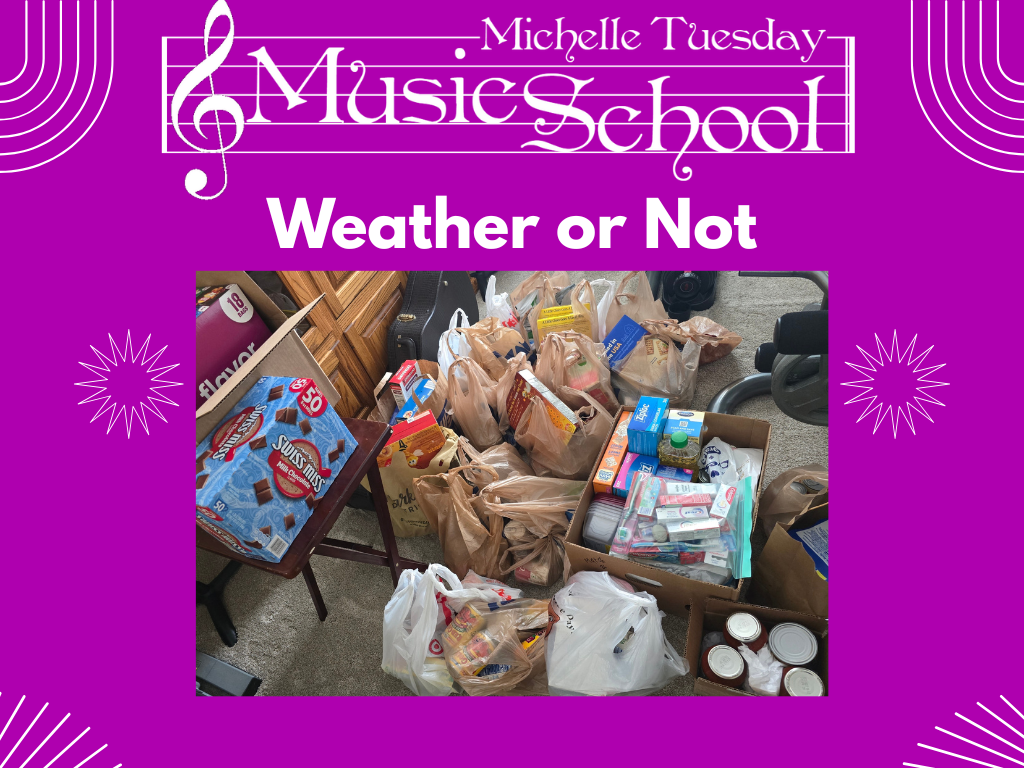
We had the Winter Benefit Concert, and then the weather decided it wanted to be center stage. Results are coming, and we’re glad for everyone who could make it to the concert. The image above shows the food waiting until we have normal temperatures and can rendezvous with GRIN while they’re open.
Directly afterward, the snow became our top priority. Some of us got as much as 14 inches of snow. We’re lucky the concert wasn’t affected but starting Saturday night and all day Sunday and even into Monday, it snowed. After that, the temperature dropped to subzero levels. And it’s dropping again this weekend.
Stay warm. We can’t wait to get back to regularly scheduled lessons. With the time out of school, it’s a great time to get some more practice in. Stay tuned for more about the concert and the donations.