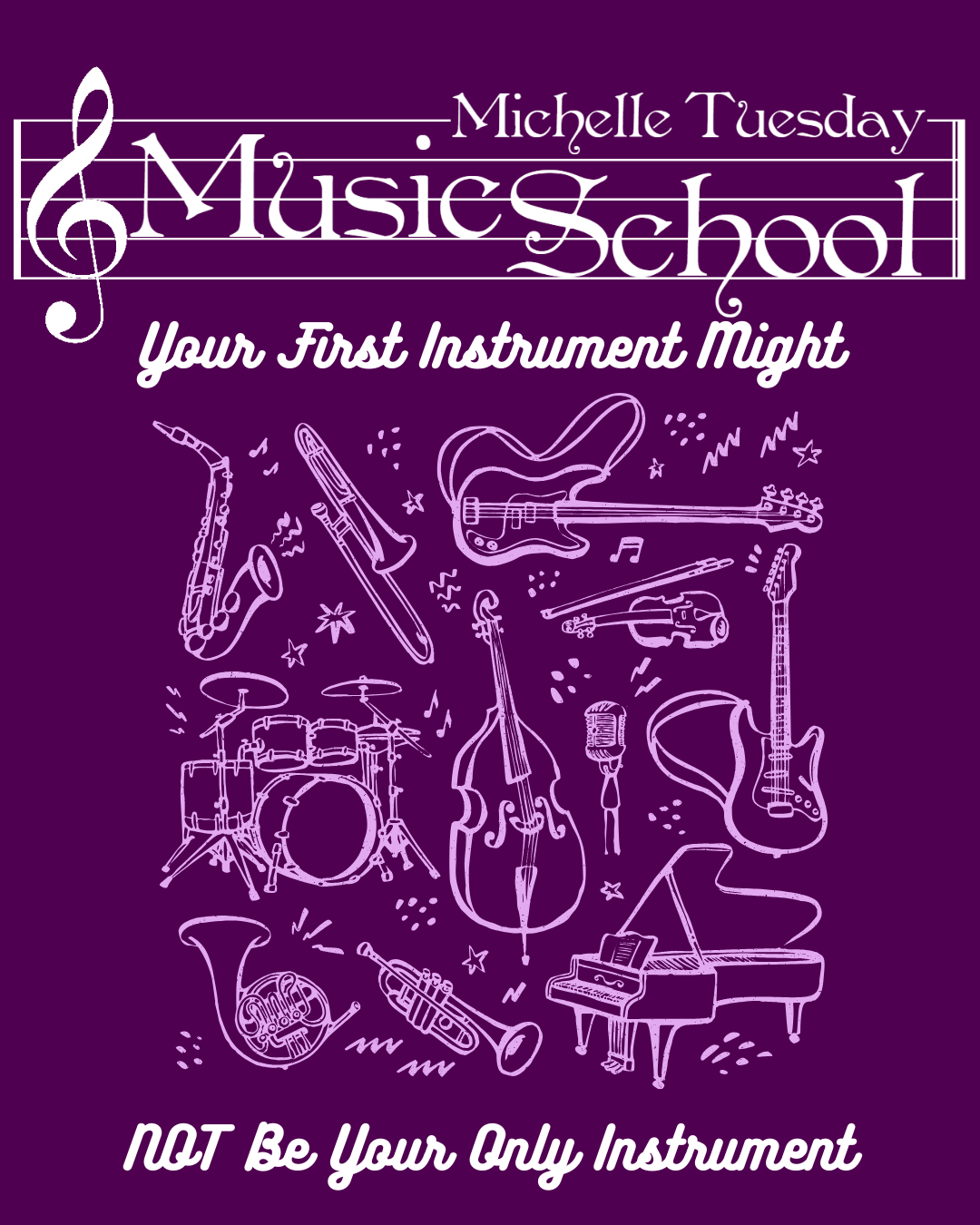
When people begin music lessons, they often ask one important question: “What if I choose the wrong instrument?”
The good news is that there is no such thing.
Your first instrument is exactly that—your first. As you learn more about music, you also learn more about yourself. Sometimes that journey leads to another instrument. Other times, it inspires you to add a second one. Either way, every lesson helps you grow as a musician.
Every Lesson Builds Musicianship
Learning an instrument is about much more than playing the right notes.
Along the way, musicians develop rhythm, listening skills, coordination, music reading, and confidence. They also learn how to solve problems, practice with purpose, and celebrate steady progress.
Those abilities become part of every musical experience that follows.
New Music Opens New Doors
As your musical world grows, so do your interests.
A pianist may discover a love for songwriting. A guitarist might decide to explore voice lessons. After hearing an orchestra, a violinist could become fascinated by the rich sound of the cello.
Each new experience reveals another possibility.
That is one of the greatest joys of music education. The more you learn, the more there is to discover.
Every Instrument Offers Something New
No two instruments teach music in exactly the same way.
The piano makes chords and harmony easy to see. Drums strengthen rhythm and coordination. Singing develops careful listening and healthy breathing. String instruments encourage precision and expressive playing.
Because every instrument has its own strengths, learning another one often deepens your understanding of the first.
Rather than replacing previous knowledge, each instrument adds another layer to your musicianship.
Many Musicians Enjoy More Than One Instrument
Learning multiple instruments is more common than many people realize.
Some musicians enjoy different instruments for different styles of music. Others discover new interests as they grow. Still others simply enjoy the challenge of learning something unfamiliar.
Professional musicians often perform on several instruments. Yet students can enjoy that same spirit of curiosity from the very beginning.
You’re Building, Not Beginning Again
Trying a different instrument does not erase everything you have learned.
Reading music, recognizing rhythms, training your ear, and building effective practice habits all carry forward. Because of that foundation, many musicians find a second instrument easier to learn than the first.
Instead of starting over, you continue building on what you already know.
Explore at Your Own Pace
Every musical journey looks a little different.
Some people happily study one instrument for many years. Others decide to explore another instrument as their interests evolve. Both paths are worth celebrating.
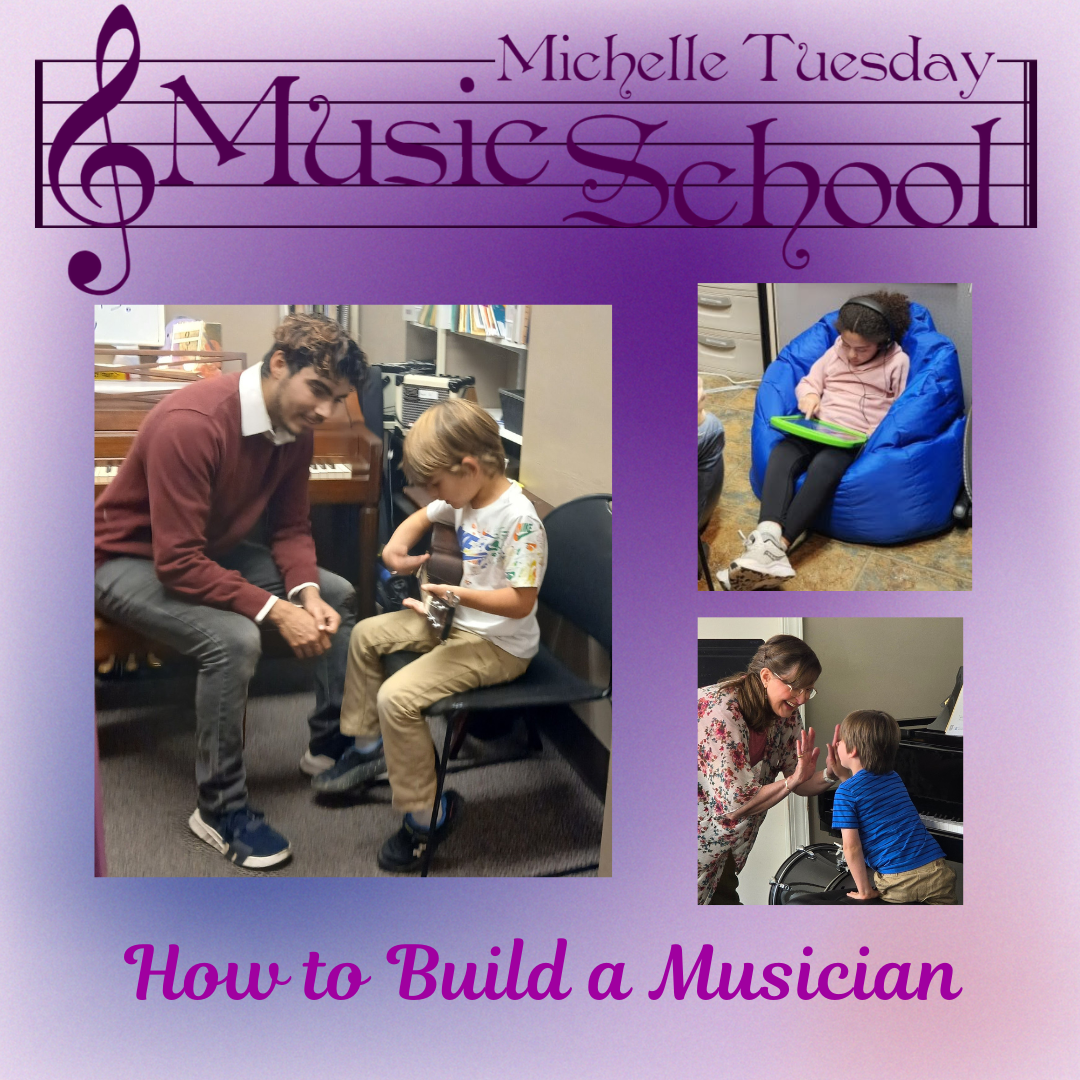
At Michelle Tuesday Music School, beginners can explore an instrument through a four-week Lesson Sampler before committing to ongoing lessons. Current students also choose to add a second instrument when the time feels right.
Meanwhile, our Music Technology & Learning Lab strengthens rhythm, ear training, music theory, listening, and composition. Those skills support every instrument a student chooses to learn.
Let Your Musical Journey Grow
Music education is not about finding one perfect instrument. Instead, it is about discovering what inspires you.
For some musicians, the first instrument becomes a lifelong companion. For others, it opens the door to new musical adventures.
No matter where your journey leads, every lesson has value. Every challenge builds confidence. Every instrument offers a new perspective.
So, if another instrument catches your attention, don’t be afraid to explore it. You are not leaving your first instrument behind. You are simply continuing your musical journey.